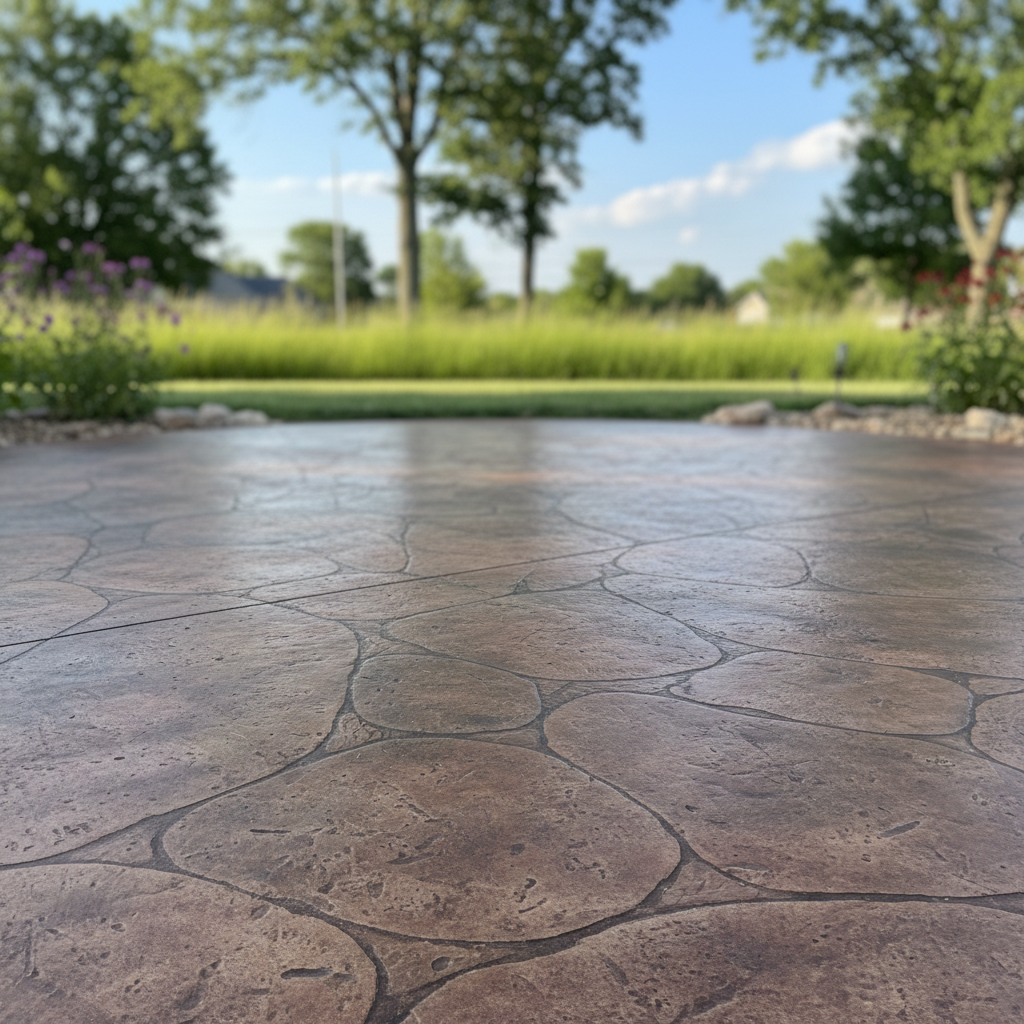
Thinking About Staining Your Own Concrete?
So, you're looking at that plain gray concrete and thinking, "Hey, I could really jazz that up with some color." You've probably seen those fancy stained floors in magazines or online, and now you're wondering if you can pull it off yourself. It's a fair question, and the short answer is: maybe. Concrete staining can be a fantastic way to transform a space, but it's not always as simple as slapping on some paint. Let's talk about what you're getting into.
Before You Even Think About Buying Stain
First things first, you need to look at your concrete. Is it new? Old? Does it have cracks, oil stains, or old coatings? The condition of your concrete is probably the biggest factor in whether a DIY stain job will look good or just look like a DIY mess. If your concrete is less than a month old, you've got to wait. It needs time to cure properly. If it's got old paint, sealers, or heavy grease spots, you're going to spend more time on prep than on the actual staining. And I'm talking serious prep – grinding, stripping, degreasing. This isn't just a quick sweep and mop.
You also need to know what kind of stain you're dealing with. There are two main types for homeowners: acid-based (reactive) stains and water-based (non-reactive) stains. Acid stains penetrate the concrete and react with the minerals inside, creating a translucent, mottled, stone-like effect. The color you get depends on the concrete's composition, so it's always a bit of a surprise. Water-based stains are more like a translucent paint; they sit on the surface and give you a more uniform color, and you have a much better idea of the final shade. For a DIYer, water-based stains are generally more forgiving. Acid stains require a bit more finesse and understanding of how they'll react.
Think about where you're staining, too. An outdoor patio in Lawrence that sees a lot of sun and rain is different from an indoor basement floor. Weather exposure, foot traffic, and UV rays all play a role in how long your stain will last and what kind of sealer you'll need.
The "During" Part: Getting Your Hands Dirty
Alright, let's say your concrete is in decent shape and you've picked your stain. The most crucial step, and I can't stress this enough, is surface preparation. If you skip or skimp on this, your stain won't adhere properly, it'll look uneven, and it'll peel or fade quickly. For most DIY projects, this means a thorough cleaning. Power washing outdoors is a good start, but you might need a concrete cleaner or degreaser. Indoors, you'll want to scrub with a stiff brush and a good cleaner, then rinse thoroughly. Any dirt, dust, oil, or old sealer will prevent the stain from penetrating or adhering.
Once it's clean and bone dry, you're ready to apply. If you're using an acid stain, you'll typically use a pump sprayer. Apply it evenly, don't let it puddle, and work in small sections. You'll see the color develop as it reacts. Water-based stains can be rolled, brushed, or sprayed. Always do a test spot in an inconspicuous area first! This lets you see the color and how it reacts with your specific concrete. Trust me, you don't want to find out your chosen color looks totally different after you've done the whole floor.
Ventilation is key, especially with acid stains. You don't want to be breathing in those fumes. And wear protective gear – gloves, eye protection, maybe even a respirator. This isn't just about looking cool; it's about staying safe.
After the Stain: Sealing and Maintenance
After your stain has dried completely (check the manufacturer's instructions for timing), you absolutely, positively need to seal it. This protects the color, adds durability, and makes it easier to clean. There are different types of sealers – acrylic, epoxy, urethane. Acrylics are common for DIY outdoor projects because they're easier to apply and less expensive, but they might need reapplication every few years, especially with our Kansas weather. For high-traffic areas or indoors, you might consider something more robust, but those can be trickier to apply correctly.
Apply the sealer in thin, even coats. Multiple thin coats are always better than one thick coat that can peel or bubble. Once sealed, you'll want to let it cure fully before putting furniture back or driving on it. Again, follow the product's guidelines. For ongoing maintenance, just clean it regularly with a mild, pH-neutral cleaner. Avoid harsh chemicals or abrasive scrubbers, as they can damage the sealer and the stain.
When to Call Spectrum Concrete Solutions
So, when is it time to put down the sprayer and pick up the phone? If your concrete has significant damage – large cracks, spalling, or major unevenness – you're probably beyond a DIY staining project. Stains highlight imperfections, they don't hide them. If you're looking for a very specific, intricate design, or if you're dealing with a large commercial space, that's also a job for the pros. We've got the specialized equipment for grinding, patching, and applying advanced sealers that give you a truly professional, long-lasting finish. For example, if you've got an old garage floor near the river that's seen years of oil spills and moisture, you're going to need some serious surface prep that most homeowners aren't equipped for. We know the ins and outs of different concrete types and how they'll react to various stains and sealers, ensuring you get the look you want without the headaches. Sometimes, peace of mind is worth the investment.