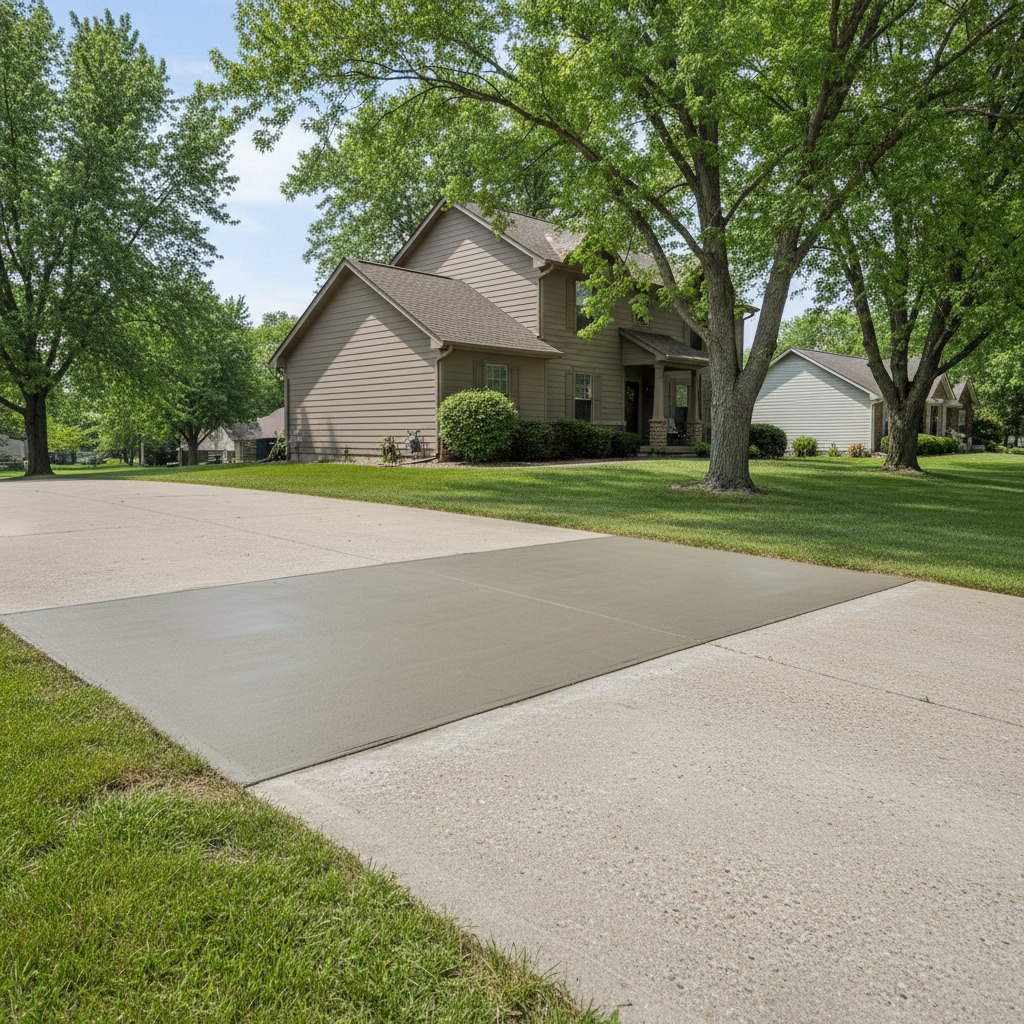
So, you've had some concrete work done, maybe a new driveway section, a patio repair, or some foundation crack sealing. That's a solid investment in your home or business, and you want it to last, right? Good. Because even the best concrete repair isn't a 'set it and forget it' kind of deal, especially here in Lawrence, Kansas.
Our weather patterns are brutal on concrete. We get those scorching summers, then deep freezes in winter, often with rapid temperature swings. We've got freeze-thaw cycles that can really put stress on surfaces. That's why a little bit of regular attention goes a long way in protecting your investment and making sure those repairs hold up for years to come.
Extending the Life of Your Concrete Repair
The biggest thing you can do to extend the life of any concrete repair is to protect it from moisture and harsh chemicals. Think of it like this: water is concrete's number one enemy, especially when it freezes. When water seeps into tiny cracks and then expands as ice, it can turn a small problem into a big one fast.
- Seal it Up: If your concrete repair wasn't sealed, or if it's been a few years, get it sealed. A good quality penetrating sealer will repel water and chemicals, making the surface much more resistant to freeze-thaw damage, salt, and oil stains. I usually recommend resealing every 2-5 years, depending on traffic and exposure. It's a small cost for a huge benefit.
- Drainage is Key: Make sure water isn't pooling on or near your repaired areas. If you've got a downspout dumping water right next to your foundation repair, that's a problem. Extend those downspouts, or consider grading improvements to direct water away.
- Mind the Weight: Don't park heavy equipment or overloaded trailers on newly repaired driveways for extended periods. Give the concrete time to fully cure and always be mindful of its load-bearing limits.
What Regular Maintenance Looks Like
This isn't rocket science, folks. Most of what you need to do is common sense and takes minimal effort.
- Keep it Clean: Sweep off dirt, leaves, and debris regularly. Organic matter can trap moisture and promote mildew growth, which can degrade the surface over time. A quick sweep once a week or every couple of weeks is usually enough.
- Wash it Down: Periodically, give your concrete a good rinse with a hose. For tougher stains, you can use a mild detergent and a stiff brush. Avoid harsh acids or pressure washers set to super high pressure, as these can damage the concrete surface or sealer.
- Address Spills Promptly: Oil, grease, and other chemicals can stain and even degrade concrete. If you spill something, clean it up as quickly as possible. Kitty litter or absorbent pads work great for oil spills before scrubbing.
- Winter Care: This is crucial in Lawrence. Use sand for traction, not rock salt or de-icers containing ammonium nitrate or ammonium sulfate. These chemicals are notorious for damaging concrete, causing spalling and deterioration. Even some 'concrete-safe' de-icers can be problematic if overused. Shovel snow promptly to prevent it from melting and refreezing on the surface.
Warning Signs of Problems
Catching problems early is how you save money and prevent bigger headaches down the road. Keep an eye out for these red flags:
- New Cracks or Expanding Old Ones: This is probably the most obvious sign. Small hairline cracks are often normal, but if you see new cracks forming, or existing cracks widening, lengthening, or becoming deeper, that's a concern.
- Spalling or Flaking: This looks like the surface of the concrete is peeling or flaking off. It's often caused by freeze-thaw cycles and de-icing salts. If you see this, it means water is getting into the concrete and causing damage.
- Uneven Surfaces or Sinking: If a section of your repaired concrete starts to sink, heave, or become uneven, it usually points to issues with the sub-base. This can be due to soil erosion, poor compaction, or expansive clay soils, which we definitely have pockets of around here, especially in areas like the west side of town where new developments often contend with varying soil conditions.
- Discoloration or Stains That Don't Clean Up: While some stains are just cosmetic, persistent dark, damp spots could indicate a moisture issue underneath or within the concrete.
- Efflorescence: This is a white, powdery substance that appears on the surface. It's mineral salts leaching out of the concrete as water evaporates. While not always structurally damaging, it indicates moisture movement through the concrete.
When to Call a Professional
Look, I'm all for DIY, but some things are best left to the pros. Don't hesitate to call us at Spectrum Concrete Solutions if you notice any of those warning signs, especially if they're getting worse. Here's when you should definitely pick up the phone:
- Significant Cracks: If a crack is wider than a quarter-inch, or if you can feel a significant height difference across it, it's time for an expert opinion. These often indicate structural movement.
- Sinking or Uneven Slabs: This isn't just an eyesore; it's a tripping hazard and can lead to further structural damage. We can often lift and stabilize these slabs using methods like concrete leveling, which is much less invasive than full replacement.
- Extensive Spalling or Pitting: If a large area of your concrete surface is deteriorating, it might need more than just a patch job. We can assess the extent of the damage and recommend the best course of action, whether it's resurfacing or replacement.
- Water Intrusion into Basements/Foundations: If you're seeing water in your basement and you've had foundation repairs done, that's a serious issue that needs immediate attention. Don't wait on this one.
- Unsure About the Cause: If you see something weird happening with your concrete and you're not sure what's causing it or how to fix it, just give us a call. We're happy to come out, take a look, and give you an honest assessment. That's what we do.
Taking care of your concrete isn't just about making it look good; it's about protecting your property's value and ensuring safety. A little proactive maintenance now can save you a lot of money and hassle down the road.