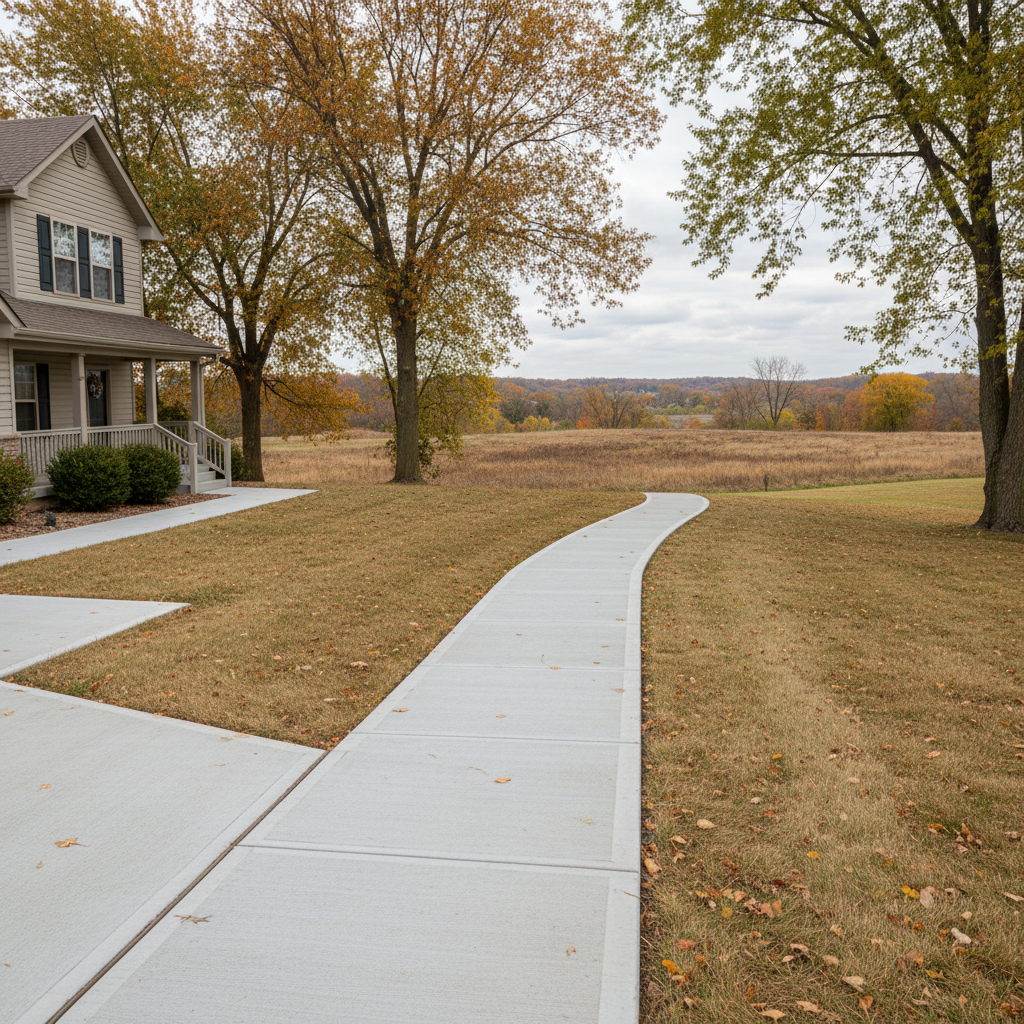
You've got concrete sidewalks, or maybe you're thinking about putting some in. Either way, living here in Lawrence means you've got to think about the weather. It's not just about getting the job done, is it? It's about getting it done right and making it last. And believe me, our Kansas weather can be tough on concrete if you're not smart about it.
When's the Best Time for New Concrete?
This is probably the most common question I get. Everyone wants to know the 'perfect' time. The truth is, there's a window, and it's usually not the dead of winter or the scorching peak of summer. For pouring new concrete sidewalks, spring and fall are your best friends.
Why? Concrete needs to cure properly, and that's all about temperature and moisture. When it's too hot, like those 95-degree August days we get, the water in the mix evaporates too fast. That can lead to cracking, a weaker surface, and a whole lot of headaches down the road. Sure, we *can* work in the heat, but it means extra steps, more cost, and frankly, it's just harder to get that ideal finish.
On the flip side, when it's too cold — say, below 40 degrees Fahrenheit — the chemical reaction that hardens concrete slows way down. Below freezing, it can stop altogether, and the water in the mix can freeze, expanding and ruining the concrete before it even gets a chance to set. You'll see contractors using blankets and heaters in winter, but that's for essential, unavoidable work, not your everyday sidewalk pour. It just adds complexity and cost, and honestly, it's not ideal for quality.
So, late spring (April-June) and early fall (September-October) are usually prime time. The temperatures are moderate, and we often get some natural moisture, which helps with the curing process. It's not too hot, not too cold, and the concrete gets to do its thing without too much fuss. That's when I recommend scheduling if you can.
Weather Conditions That Affect the Work
Beyond just temperature, other weather conditions play a big role. Here's what we're always watching:
- Rain: A little drizzle during the pour? Not good. It changes the water-cement ratio, weakening the concrete and affecting the finish. We need dry conditions for the pour itself. Once it's placed and initially set, a light rain can actually help with curing, but that's a different story.
- Wind: High winds can dry out the surface of the concrete too quickly, especially on a sunny day. This can lead to surface cracks, what we call 'plastic shrinkage cracking.' We'll often use windbreaks or apply curing compounds sooner if it's windy.
- Humidity: Low humidity combined with high temperatures and wind is a triple threat for rapid drying. High humidity can slow down drying, which isn't always bad, but it means we have to adjust our timing for finishing.
- Ground Temperature: Even if the air is warm, if the ground is still frozen from winter, it can cause issues. The ground needs to be thawed and stable before we pour. This is why early spring can sometimes be tricky, especially in areas with poor drainage or heavy clay soil like we have in some parts of Lawrence, like over near Clinton Lake.
As your local concrete pros at Spectrum Concrete Solutions, we're always checking the forecast and making judgment calls. Sometimes, we have to reschedule to make sure your concrete turns out perfect. It's always better to wait a day or two than to pour in bad conditions and end up with a subpar product.
Protecting Your Concrete Investment Year-Round
Once your sidewalks are in, you want them to last. Here's how you can protect them through our crazy Kansas seasons:
- Sealing: This is a big one. A good quality penetrating sealer applied every few years (check the product recommendations) will protect your concrete from moisture absorption. That's key to preventing freeze-thaw damage. When water gets into the pores of the concrete and then freezes, it expands and can cause spalling or flaking. A sealer is your first line of defense against that.
- De-icing Salts: Be careful with these. Many de-icing salts, especially those containing ammonium sulfate or ammonium nitrate, are highly corrosive to concrete. They can break down the surface over time. Calcium chloride and potassium chloride are generally safer options, but even then, use them sparingly. Sand is always a good, concrete-friendly alternative for traction.
- Snow Removal: Use a plastic shovel blade if you can. Metal shovels can scratch or chip the surface, especially if you're aggressive with them. And try to avoid chipping at ice with sharp tools.
- Clean Up Spills: Oil, grease, and other chemicals can stain and degrade concrete over time. Clean them up quickly.
- Address Drainage: Make sure water drains away from your sidewalks, not towards them or pooling on them. Proper grading around your concrete is crucial for its longevity. If water sits, it's just asking for trouble, especially during freeze-thaw cycles.
Taking these steps won't just make your sidewalks look better; they'll help them stand up to our Lawrence weather for years to come. If you've got questions about your existing concrete or are thinking about a new project, don't hesitate to reach out to us at Spectrum Concrete Solutions. We're always here to help you make the best choices for your home.