What's the difference between concrete and cement?
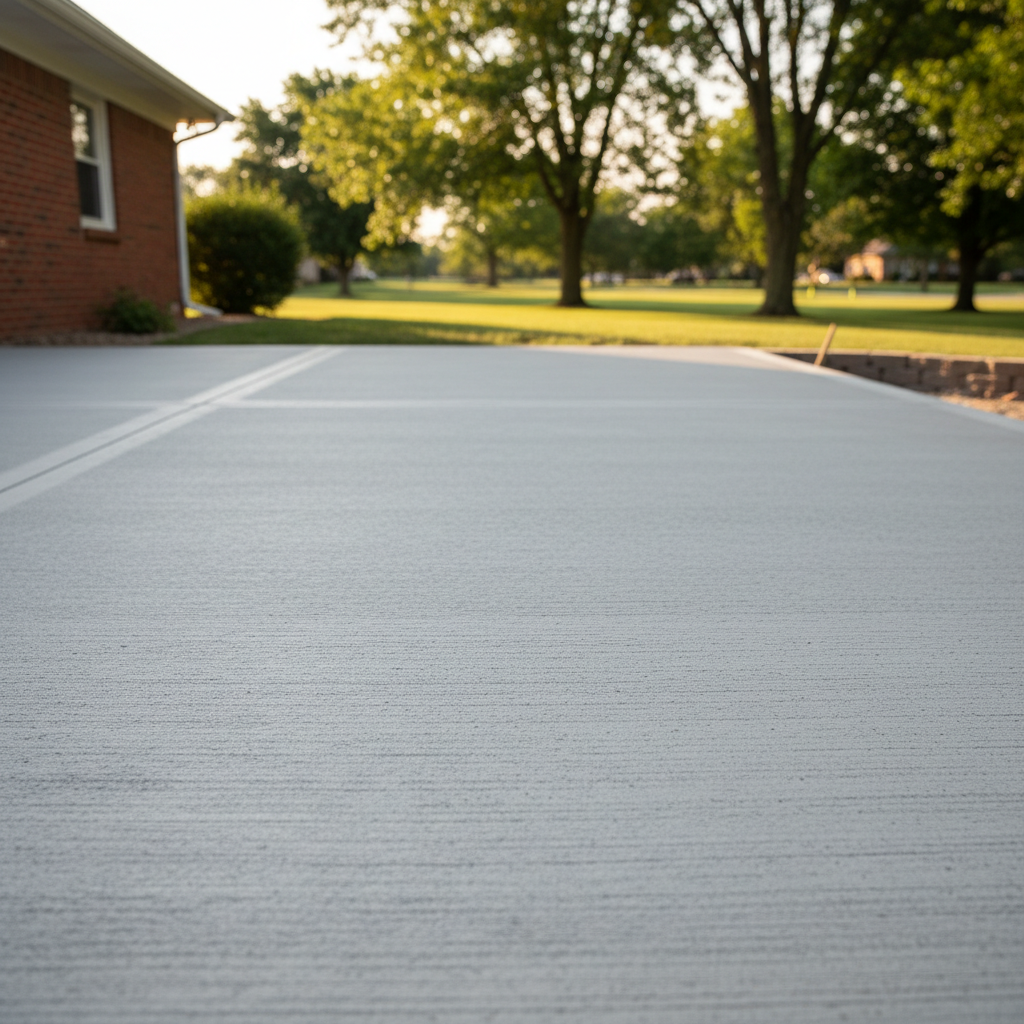
This is a big one, and I hear it all the time. People often use 'concrete' and 'cement' interchangeably, but they're not the same thing at all. Think of it this way: cement is an ingredient, and concrete is the finished product. Cement is a fine, powdery material – usually Portland cement – that acts as the binder. When you mix cement with water, aggregates (like sand and gravel), and sometimes other additives, that's when you get concrete. So, you don't pour a cement driveway; you pour a concrete driveway. Cement is what makes the concrete harden and stick together, but it's just one part of the recipe.
How long does concrete flatwork actually last here in Lawrence?
That's a tough question to give a single number for because it depends on a bunch of factors, but generally, a well-installed concrete driveway or patio should last you 20 to 30 years, sometimes even longer. Now, 'well-installed' is the key phrase there. That means proper site prep, the right mix for our Kansas climate, and good curing practices. Things that shorten its life? Poor drainage, heavy traffic (like parking an RV on a residential driveway not designed for it), using de-icing salts with chlorides in the winter, and just plain old bad installation. We see a lot of freeze-thaw cycles here in Lawrence, especially with the clay soils we have around areas like West Lawrence, which can really put stress on concrete if it's not done right. Good quality concrete, properly installed and maintained, can handle it much better.
Do I need rebar or mesh in my concrete? What's the deal with that?
Absolutely, you need some kind of reinforcement in most flatwork, especially for driveways, patios, and sidewalks. It's not about preventing cracks entirely – concrete is going to crack, it's just a fact of life – but it's about controlling those cracks and adding tensile strength. Rebar (steel reinforcing bars) or wire mesh helps hold the concrete together *after* it cracks. Without it, those small hairline cracks can open up and become much bigger problems, leading to uneven surfaces and structural failure over time. For driveways, I almost always recommend rebar because it offers superior strength for heavier loads. For patios and sidewalks, mesh is often sufficient, but sometimes we'll still use rebar depending on the specific project and expected use. It's an extra cost upfront, but it's cheap insurance for the longevity of your concrete.
What causes those unsightly cracks in my concrete?
Cracks are the bane of every homeowner's existence when it comes to concrete, but like I said, they're pretty much inevitable. The main culprits are usually shrinkage, settlement, and thermal expansion/contraction. When concrete dries, it shrinks a bit, and if there aren't control joints (those cuts you see) to guide where it cracks, it'll crack randomly. Settlement happens when the ground underneath isn't properly compacted or erodes away, leaving voids. Then the concrete above it has nothing to support it and it cracks. And with our temperature swings in Kansas, concrete expands when it's hot and contracts when it's cold. This constant movement puts stress on the slab, and if it can't move freely, it cracks. Tree roots can also be a big problem, especially with older sidewalks. Proper sub-base preparation, control joints, and reinforcement are your best defenses against uncontrolled cracking.
How soon can I drive or walk on new concrete?
This is super important, and you really need to be patient. For walking, you can usually step on new concrete after about 24 hours. But for driving, you're looking at a minimum of 7 days, and ideally, you should wait 28 days for the concrete to reach its full design strength. Concrete cures, it doesn't just dry. It's a chemical process that takes time. If you drive on it too soon, especially heavy vehicles, you risk damaging the surface, creating ruts, or even causing structural cracks that will haunt you for years. We always tell our Spectrum Concrete Solutions clients to stay off it for as long as possible. A little patience upfront saves a lot of headaches and money down the road.
What's the best way to maintain my concrete flatwork?
Maintaining your concrete isn't rocket science, but it does require a little effort. First, keep it clean. Sweep off dirt, leaves, and debris regularly. Power washing once a year can help, but don't use too high a pressure or get too close, as it can damage the surface. Second, seal it. A good quality penetrating sealer applied every 2-5 years (depending on the product and traffic) will protect against moisture intrusion, freeze-thaw damage, and staining. It's like waxing your car. Third, be careful with de-icing chemicals. Avoid products containing ammonium nitrates or sulfates, as these can aggressively attack concrete. Rock salt (sodium chloride) is better, but still use it sparingly. Sand is often a good alternative for traction. And finally, address any small cracks or spalling as soon as you see them. Don't let them get worse; a small repair now can prevent a much bigger, more expensive problem later.